
Reimagining Eldercare Support through Social Robotics. A Productivity-Enabling Approach
As Singapore and much of the Asia-Pacific region approach or enter super-aged society status, the nature of eldercare is evolving. Care for elderly is no longer just about medical or basic daily needs, there is now a stronger focus on improving quality of life, keeping the mind active, and supporting caregivers in a sustainable way. This shift presents both challenges and opportunities particularly in the face of manpower constraints and rising care expectations.
The eldercare industry is increasingly strained by two compounding challenges. On one hand, older adults, particularly those with cognitive impairments or physical frailty, require structured, meaningful daily activities to maintain function, prevent deterioration, and reduce social isolation. On the other hand, care teams are under immense pressure, juggling a wide range of responsibilities from hygiene care and medication administration to emotional support, documentation, and liaising with families. As a result, engaging residents meaningfully often becomes secondary despite its recognised benefits.
In response, technology is emerging as a key enabler of more sustainable care models. Among the innovations, social robotics particularly humanoid robots are demonstrating significant promise. These are not machines meant for medical diagnostics or monitoring. Rather, they are designed for interactive, person-centred support, helping to address the emotional, cognitive, and social needs of older adults.
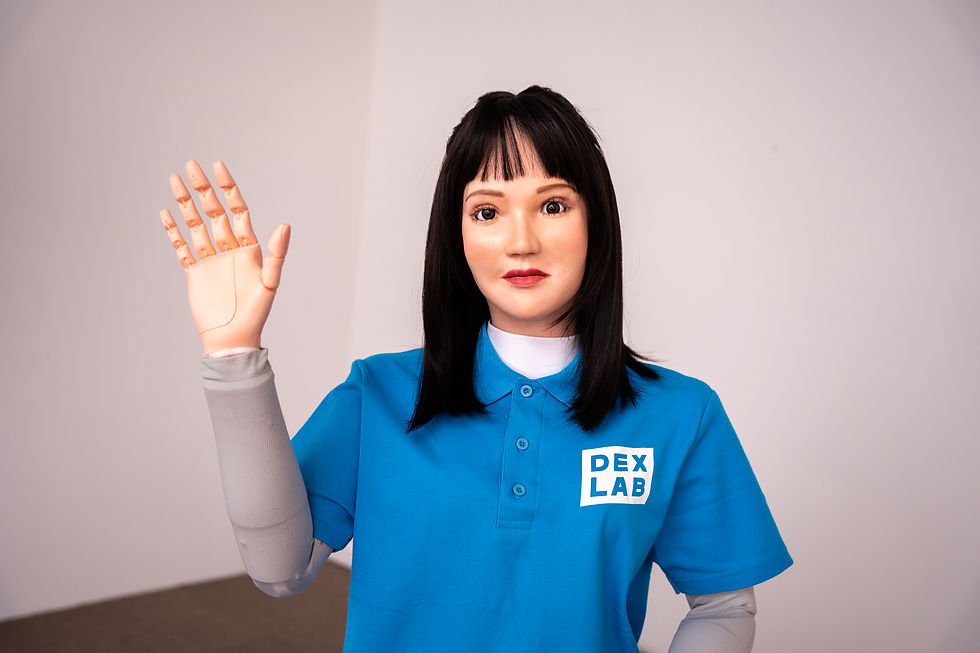
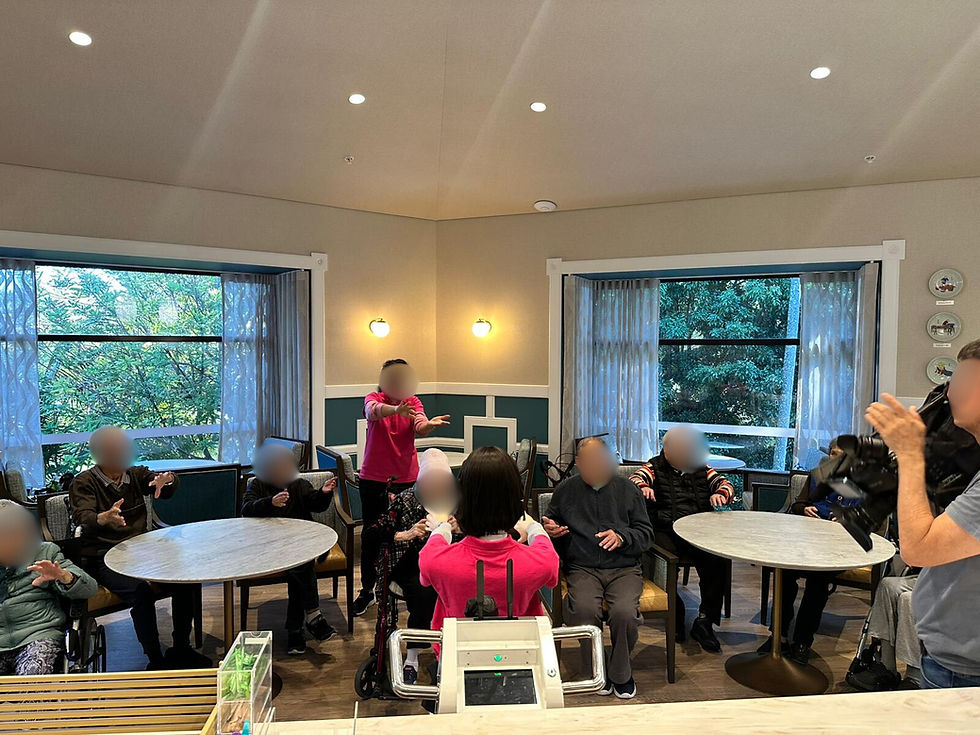
One notable example is Daisy, a humanoid wellness facilitator developed in Singapore by Dex-Lab Pte Ltd. Daisy builds upon the capabilities of her predecessor, Dexie, incorporating enhanced interactivity, customisation, and user engagement features. Purpose-built for eldercare environments, Daisy helps care teams deliver daily cognitive and physical stimulation programmes. Her capabilities include gentle movement exercises, brain games, music sessions, singalongs, and friendly chats — all customisable to suit cognitive ability and cultural preferences.
From a productivity standpoint, Daisy represents a scalable tool that increases organisational capacity without adding headcount. By taking on time-consuming but necessary activities like group facilitation or one-on-one engagement, Daisy allows human staff to focus on tasks that require clinical judgment, empathy, and relational care. This relieves pressure on overstretched caregivers, improves workforce morale, and ultimately leads to better staff retention and reduced burnout.
Importantly, Daisy does not replace staff. She supports them. Unlike systems that rely on preloaded data, Daisy’s value lies in her consistent presence and programmed interactivity qualities that ensure she can function reliably across multiple sites and shifts. She can maintain the rhythm of daily engagement even when staff levels fluctuate due to absenteeism, turnover, or high caseloads. This stability translates into better outcomes for residents, who benefit from consistent routines and increased stimulation.
In multicultural markets like Singapore and Australia, Daisy’s multilingual capabilities also enhance inclusivity, enabling engagement with residents in their preferred language. This reduces barriers to participation, promotes comfort, and fosters a sense of belonging among culturally diverse seniors.
From an operational standpoint, the use of Daisy enables cost-effective service delivery. Care facilities report that structured programmes facilitated by Daisy reduce resident agitation and lower the incidence of behavioural outbursts all of which help to minimise the need for reactive interventions and allow for more proactive care planning.
The adoption of humanoid robotics in eldercare also signals alignment with government priorities. In Singapore, policy directions such as the Healthier SG initiative and the Action Plan for Successful Ageing emphasise digital transformation, ageing-in-place, and workforce resilience. Robots like Daisy offer a practical bridge between innovation and impact, turning abstract goals into measurable outcomes in care environments.
From a system-level perspective, Daisy is not just a novelty she is a productivity amplifier. She allows organisations to deliver more consistent care programming with fewer resources, standardises activity delivery across locations, and serves as a training and support tool for new care workers. This scalability is particularly critical as providers expand capacity to meet growing demand.
Already deployed in several nursing homes across Singapore, humanoid robot is showing promise in facilities with chronic manpower shortages or high resident-to-staff ratios. While the introduction of humanoid technology often raises common concerns: 'Will it replace staff?' or 'Will the human touch be lost?' Real-world experience suggests otherwise. When implemented thoughtfully, the technology has helped preserve human connection by relieving staff from repetitive engagement duties, allowing them to spend more time on deeper, more meaningful interactions with residents.

To be clear, Daisy is not a medical device. She is not intended to diagnose, monitor, or make decisions. She is a frontline assistant a humanoid co-worker designed to extend the reach of care teams and support the emotional and cognitive wellbeing of older adults.
In today’s climate of staff shortages and rising demand, the case for humanoid robotics is not about reducing headcount. It’s about making the most of limited resources. It’s about using technology to augment human efforts, not replace them. And it’s about building systems that can deliver both high-touch and high-tech care.
Ultimately, the future of eldercare lies not in choosing between people and machines but in equipping people with the right tools to do their jobs better, with more heart and less fatigue.
With social robots like Daisy, we are taking a meaningful step toward that future.
Find out more on Ageing Asia's website.

Comments